

Superfood Bowls for a Picnic
So, I wanted to make a special picnic dinner to have with some dear friends before we all saw Jim in "Much Ado About Nothing" at the outdoor stage at the College of St Elizabeth in NJ. I wanted it to be gluten-free and with a vegan choice - fun and elegant. Besides collecting up a few vegan appetizers, I also got the ingredients for Buddha Bowls---which as of this moment, I'm not calling Buddha Bowls anymore. I decided to call them a different name because Christians probably wouldn't like something called a Christ Bowl on a food menu. So, with respect for the Buddhist traditions, I will call them a Superfood Bowls.
By now, if you have been following my eating suggestion/recipes, you know that I am not a follow-a-recipe kinda gal. There are both good and not good consequences of this trait of mine. I don't mind serving things that taste "healthy." What does bother me is not remembering how to make the things that taste good. These superfood bowls are a sure way to make a meal that your "audience" likes and can be a creative part of designing.
The most important part of a superfood bowl is the dressing. It pulls together all the ingredients and creates a symphony of deliciousness. The one that Jim and I are into now is made with equal parts:
toasted sesame oil,
rice vinegar and
Braggs Liquid Amino is or soy sauce.
Here is how I prepped my fun and healthy picnic meal.
A table cloth or sarong to lay on the ground
Dishes: I like some of my dishes to be real. I brought my favorite ceramic bowls, chopsticks, forks, and cloth napkins. I had enough breakable items, so I used paper cups for this picnic. I had small paper plates for the appetizers.
I had almond crackers, fake pork rinds, and blistered Shishito peppers for appetizers.
In separate bowls and jars, I had all the components of the main dish - like a buffet.
Whole grains - I used sushi rice for this meal. There was plenty of fiber in the veggies, so I went for texture. I also like to use quinoa, but I like to make it with some rice because it sticks together better. (I learned that from Maria Morris, one of the Underhill Lifers)
Veggies - I used thinly sliced red cabbage, carrots, and avocado for this picnic
Protein - I made sauteed crumbled tofu with red peppers and soy sauce. I also served cooked salmon because I wasn't sure everyone would like the tofu.
Dressing - see above for our favorite. But any dressing is great. I prefer homemade dressings with cold-pressed oils because they are nutritious.
"Sprinkles," such as nuts, seeds, herbs, or sprouts. - I used sesame seeds, cilantro, and furikake for this meal.
I like to offer a few different things to drink for some other fun choices.

The Most Potent Spiritual Practice - Gratitude
Except for the gentle sound of the wind in the trees, it's quiet here in New Jersey. The songbirds have moved on and the stillness of late summer is resting at Underhill. I'm sitting by an open window grateful for the sounds of peacefulness but…
I'm going to be truthful though, my thoughts have been “sour” the past few days.
Nothing has gone bad. My family is doing well. I have been eating well and getting enough exercise. My thoughts are horrible - I won't go into detail, lest I bring you down. Sometimes it just feels mysterious or the clues feel vague. So it is time to do the most potent mental practice of all - The practice of gratitude.
Gratitude may be broadly defined as the appreciation of what is valuable and meaningful to oneself. It represents a general state of thankfulness and/or appreciation. Studies have shown that gratitude affects our state of well-being.
The practice can be simple:
Get a notebook and write 3 or more things I am grateful for daily.
Write one person a day and tell them why I am grateful for them.
Do this for 21 days.
It works. I've done it before. The hard part is keeping inspired to do it. Here are some of my favorite quotes that encourage me.
“Walk as if you are kissing the Earth with your feet.” ―Thich Nhat Hanh, Peace Is Every Step: The Path of Mindfulness in Everyday Life
“Do not spoil what you have by desiring what you have not; remember that what you now have was once among the things you only hoped for.” ―Epicurus
“Piglet noticed that even though he had a Very Small Heart, it could hold a rather large amount of Gratitude.” ―A.A. Milne, Winnie-the-Pooh
“Let gratitude be the pillow upon which you kneel to say your nightly prayer. And let faith be the bridge you build to overcome evil and welcome good.” ―Maya Angelou, Celebrations: Rituals of Peace and Prayer
“What separates privilege from entitlement is gratitude.” ―Brené Brown
“You are not limited to this body, to this mind, or to this reality—you are a limitless ocean of Consciousness, imbued with infinite potential. You are existence itself.” ―Joseph P. Kauffman, The Answer Is YOU: A Guide to Mental, Emotional, and Spiritual Freedom
A few hours later:
After I wrote that, I felt so much better! Just thinking about gratitude, detoxified my mind!In these times of global uncertainty, our emotional health can seem fragile. Living in a space of compassion and strength is our resilience and service. I hope that you let me know if there is anything that I can offer to support you! Remember, I am just a phone call away.
Much Love,
Nancy
References:

My Article in Tiny Buddha got 88 shares on Facebook
Excerpt from How I Healed My Mother Would and My Daughters Are Healing Theirs published on Tiny Buddha
Now that my daughters are in therapy trying to heal their relationship with me, I have more compassion than ever for my mom. I haven’t felt angry at her in years. But when I was a teen, I earnestly desired to kill her more than once.
I was in my forties when my mom died. Afterward, I had frequent dreams about her chasing me around, telling me I wasn’t good enough. The dreams lasted nightly for about six months and occurred for a few more years when I felt stressed. The last one I remember, she was chasing me under the covers of the bed, screaming my worst fears—that I was unlovable and unworthy—reinforcing my wounded child.
About twelve years after she died, I was able to come to a place of comfort with her. While in deep meditation I saw a vision of her spirit bathed with light and love. Freed from her mental and physical sufferings, I saw her as I had seen her when I was a child—my universe.
Unfortunately, she couldn’t see herself as I did in those days. I knew that she was beautiful. I remember thinking about it as a young child, and when she was dying. How often I’d searched her face, looking for her to see me.
Like my dad, I have prominent facial features. I wished I had her cute small nose and her pretty lips that always looked beautiful in her Berry Berry Avon lipstick. She had blue eyes, which I rarely saw straight on. She was uncomfortable with her looks. I don’t remember any direct eye contact with her unless she was angry, though I realized there must have been.
She was born with a crossed eye. Her story was that her parents were accused of having a sexually transmitted disease that caused it, which brought great shame. My mom was also dyslexic. Sometimes at school, she had to wear a dunce cap and stand in the corner or hall because she couldn’t spell. These challenges shaped her self-worth from a young age.
I loved looking at pictures of her in her twenties with long dark wavy hair, stylish glasses, and a beautiful smile.
To read more go to TinyBuddha.com

Nutrient-Packed Coleslaw
If you don’t want to make a salad every day, coleslaw is one of the best ways to make a large salad that lasts in the refrigerator for 3-4 days. The main ingredient, cabbage is another nutrient-dense vegetable that adds to a healthy diet.
In fact, just 1 cup (89 grams) of raw green cabbage contains (2):
Calories: 22
Protein: 1 gram
Fiber: 2 grams
Vitamin K: 85% of the RDI
Vitamin C: 54% of the RDI
Folate: 10% of the RDI
Manganese: 7% of the RDI
Vitamin B6: 6% of the RDI
Calcium: 4% of the RDI
Potassium: 4% of the RDI
Magnesium: 3% of the RDI
Cabbage is part of the coniferous family, and like broccoli and cauliflower, it is packed with fiber. It contains ½ of the daily recommended vitamin C and 85% of the recommended amount of Vitamin K, a nutrient that helps blood coagulation and may help with calcium absorption. Red cabbage has 10x more Vitamin A than green cabbage. Vitamin A is essential for vision, growth, cell division, reproduction, and immunity.
I take a creative approach to make coleslaw—cabbage is just the base! My sister Pam introduced me to a coleslaw recipe that revolutionized the way I make it now.
It is excellent side dish to offer at a barbeque, to put in tacos, or as a side dish for a heavy entree. With added protein like sauteed tofu, a veggie burger, seeds, and nuts, this is an excellent entree for a vegan.
What I think is the most important is that you shred the cabbage. Here is how to do that by hand—a large sharp knife is the tool that will make this go well:
Remove the outer leaves of the cabbage.
Slice the cabbage in half, and cut the halves in half. Cut away the inside core with a diagonal slice.
Thinly shred (slice) the cabbage. You can make the cabbage as thin or thick as you like. Feel free to cut the shred as small as you want if you feel they are too long.
For two 1-cup servings, I start with ⅛-¼ of a head of shredded cabbage—they come in so many sizes…
Add in thinly sliced radishes, red pepper, daikon, and carrots. The colors are fantastic!
Put a dressing on it—use your favorite. I like sauerkraut (a fermented probiotic food) and olive oil (remember that cold-pressed organic olive oil is medicine!) We enjoy Annie’s Goddess dressing too.
Add nuts, seeds, proteins, and other crunchy toppings before serving.

Nutrient-Dense Black Bean Salad
I'm in Texas. We had a southwest bean salad at a party and I thought that would be a good recipe to put in in my blog.
This salad is packed full of protein and flavor. This dish is perfect for a quick and easy meal. Plus, it's super healthy too! The main ingredient, black beans is a delicious and nutritious food that can be enjoyed in many different ways. Beans, in general, are an excellent source of protein, fiber, and vitamins and minerals, making them a perfect food in your plant-based diet to eat every day. Rinse canned beans well or pre-soak cooled beans to reduce gas-producing enzymes. If your body isn't used to beans, start with small amounts and increase your serving size overtime.
This Southwest Black Bean Salad serves about 10 as a side dish. It also works great as a vegan main protein dish or the filling for burritos or tacos. It pairs well with corn chips, guacamole and a garden salad. It also tastes good with some cooked quinoa. There is a good rainbow of veggies in this recipe that are also nutrient-dense and micro-biome friendly.
3 cans of black beans (15 ounces each) or 4 ½ cups cooked black beans, rinsed and well-drained
2 ears of corn, shucked, or 1 cup of defrosted frozen corn (I just add them in frozen)
1 orange, yellow or red bell pepper, chopped
1 cup quartered cherry tomatoes
1 cup chopped sweet onion (from 1 small onion)
½ cup finely chopped fresh cilantro (about ½ medium bunch)
½ teaspoon lime zest (from 1 lime, preferably organic)
2 tablespoons lime juice (about 1 lime), to taste
¼ cup extra-virgin olive oil
¼ cup white wine vinegar
½ teaspoon chili powder
½ teaspoon ground cumin
½ teaspoon salt, to taste
Optional garnishes: sliced avocado, crumbled feta, lime wedges
Enjoy!
Would you like to talk with me about how to live healthier? Let’s see up a time for a free 30-minute consultation.

Why a Gratitude Practice Improves Your Health
How are you doing? I hope happy or at least content. I hope you don’t feel stuck in a rut, stressed out, or just generally unhappy? If so, I recommend that you try practicing gratitude. Gratitude has been shown to have numerous benefits for happiness and well-being. My all-time favorite TED talk is from Shawn Achor. It is absolutely hilarious and informative on what makes us feel happy. He ends with a clear gratitude practice. I’ll outline that later. Let’s read a little more about why a gratitude practice is essential.
A gratitude practice can increase happiness and life satisfaction levels because practicing it leads to more positive emotions, including joy, enthusiasm, love, and admiration. Additionally, gratitude lowers levels of stress and depression.
Gratitude enhances our cognitive abilities. People who practice gratitude have better memory recall and improved decision-making skills. It also leads to greater creativity and improved self-esteem.
This uplifting practice improves our physical health. Studies have shown that grateful people have lower blood pressure and reduced risk for heart disease. Grateful people also report fewer aches and pains, get sick less often, and recover from illness faster than those who do not practice gratitude.
Gratitude helps strengthen relationships. When we express gratitude to others, they are more likely to reciprocate. Gratitude is also attractive to others and builds trust.
So I hope that you have a buy-in now.
Here is the 21-day practice that Shawn Achor talks about in his 2012 TEXxBloomington:
Three Gratitudes: Pause to take note of three new things each day that you are grateful for. Doing so will help your brain start to retrain its pattern of scanning the world, looking not just for the negative inputs but for the positive ones.
Journaling: Similar to the gratitude practice, but in this case, detail — in writing — one positive experience each day. This will help you find meaning in the activities of the day, rather than just noticing the task itself.
Exercise: Exercising for 10 minutes a day not only brings physical benefits, but it also teaches your brain to believe your behavior matters, which then carries (positively) into other activities throughout the day.
Meditation: Take just two minutes per day to simply breathe and focus on your breath going in and out. Doing so will train your mind to focus, reduce stress, and help you be more present in this moment.
Random Acts of Kindness: This can be something simple, and Shawn suggests writing one positive email to praise or thank someone each day. Not only does it benefit the recipient, but it also increases your feeling of social support.
The practice of gratitude is considered an essential spiritual practice. If you feel bogged down with challenges or overwhelmed with life, this practice can help clear a path so that you can see your way out of the intrusive thoughts that have sabotaged the real you!
REFERENCES
https://www.ncbi.nlm.nih.gov/pmc/articles/PMC7407385/
https://www.shawnellis.com/21-day-happiness-challenge/

Mini Post: An Excerpt from PRESENT: The Art of Living Boldly in the Second Half of Life
How does our society see the second half of life?
In our modern society, preparation for later life begins on our 40th birthday, with black balloons and greeting cards that congratulate us on the beginning of our decline. The “funny” cards that we get from then on reinforce and remind us that we are old and getting older; that aging is sad, but, if we treat it like a tragicomedy, we can just make fun of ourselves or complain until the grim reaper takes us away.
Meanwhile, we see every wrinkle as a sign that our relevance is waning. Getting older feels like losing. The healthcare system manages our bodies, making us feel less than. Rather than teaching us to take care of our bodies, they offer crippling Band-Aids for our illnesses and give us puzzles to keep our brains sharp, like we are children. They blame our aches, pains, and digestive issues on aging, rather than finding root causes and making changes—and by blaming our age, they condemn us to premature aging.
We are also faced with a barrage of anti-aging products expertly marketed to remind us that getting older is undesirable.
Getting older amplifies the message that we have been fed ever since we opened our first Seventeen magazine: We will only be acceptable if we attain a photoshopped view of ourselves. But that feels more unattainable with every tick of the clock. And if we had been using physical prowess or conventional beauty as our ticket to acceptance, we might feel the need to grasp even harder at those qualities now.
If we subconsciously buy into society's views on getting older, no matter how well we take care of our mind and body, we will be fighting an increasingly desperate battle with reality, rather than building the second half of life on our own terms.
Are you ready to buy PRESENT: The Art of Living Boldly in the Second Half of Life? Find out more HERE
How to Write a Book Review
Have you ever wanted to write a book review but weren’t sure where to start, what to put in the middle, and how to finish? You might have been really jazzed about a book and wanted to give it a shout-out, but needed some guidance? I got your back! Now that I am looking for people to write me honest reviews for my book PRESENT: The Art of Living Boldly in the Second Half of Life, I thought a blog about the best way to do a book review seemed like a good idea. So, let’s get started!
You can always write a sentence or two that highlights your reactions.
If you want to write a paragraph, consider these three parts of a book review.
The summary provides a brief introduction to the book and its central theme. The summary of this book is meant to give readers an idea of what they can expect from the rest of it, without ruining any surprises. Note: there should be no spoilers in your review!
The analysis is where you talk about the book in more detail. If it’s fiction, then maybe discuss its plot and characters? Or, if nonfiction, does the book effectively provide a solution to the problem it set out to solve?
The recommendation is where you give an opinion about the book and who you think will enjoy reading it or who will be inspired by it. Whether a book accomplishes its goal can often be a telltale sign that it’s not worth reading. For example, checking whether the work aims to provide you with information about how to do things like make better decisions or find success in life—then analyzing whether this intention was fulfilled by the author (in other words: were they able to deliver)
Writing Your Review
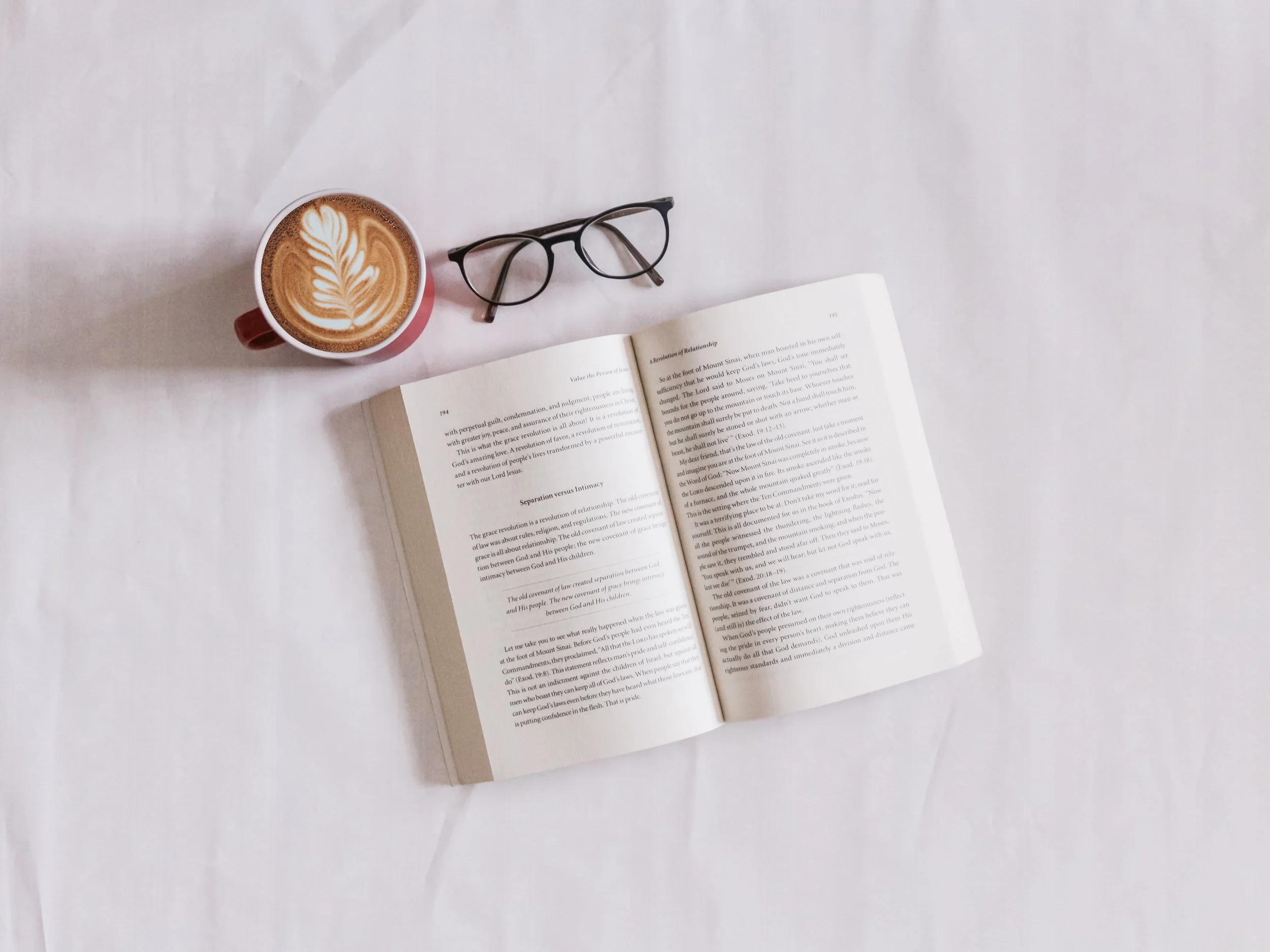
The first step is to sit down with a cup of coffee or tea (my personal favorite), cozy up in your comfiest chair, and start reading. Either as you go along or when you finish, you can ask yourself some questions
What did you like best about the book?
Did the book meet your expectations? Why or why not?
Would you recommend this book to others? Who would you recommend it to?
How has this book affected your thinking? Your life? Your work?
What did you like best about the book?
Did the book meet your expectations? Why or why not?
Would you recommend this book to others? Who would you recommend it to?
These are just a few questions to get you started writing a book review. The most important thing is to be honest and share your thoughts and feelings about the book. If you found something helpful or interesting, let others know. If you didn’t like the book, that’s okay too! Just be respectful in your review.
For a more comprehensive review, start by writing a brief book summary. Next, you could research the author. What other books have they written? What do others say about their work? Mention if any particular sections or sentences of the book resonated with you. Finally, finish up by sharing anything you didn’t like or felt could be improved upon. Once you have written your review, proofread it for any typos or grammatical errors. Once you have done that, hit publish and share your review with the world!
I hope this has helped demystify the book review process for you. Reviewing books can be a fun and easy way to support authors and help others find their next great read. So go out there and get started! Happy reading!
Places to leave book reviews
Goodreads
LibraryThing
Book Riot
Bookish
Booklist
LoveReading
Kirkus
LibraryThing
Reedsy Discovery.
The Millions
SFBook Reviews
Bookpage
Are you ready to buy PRESENT: The Art of Living Boldly in the Second Half of Life? Find out more HERE

How to Live from Your Core Values, Not Your Fears and Insecurities
This is an excerpt from a blog post in Meduim. Click Here to read the whole article.
Timid, disconnected, anxious, shy, out of control. Do you have these feelings occasionally? Or have they become a chronic state of being? At some time in your life, you may have had an experience that left you fearful, even terrified. But if you feel stuck in fear and insecurity, you can miss out on the creativity, joy, and adventure of life.
Why we make decisions from fear
Some of our biggest fears revolve around things that will hurt our body — like spiders, snakes, or heights. After all, our fear response evolved in order to keep us safe. Our senses, informed by our memory, are primed to perceive danger so we can take action.
The APA Dictionary of Psychology defines fear as
n. a basic, intense emotion aroused by the detection of imminent threat, involving an immediate alarm reaction that mobilizes the organism by triggering a set of physiological changes.
When we have a fear response — a “fight-or-flight” response — our sympathetic nervous system pumps blood to our muscles. Cortisol, a stress hormone, is released, which increases the sugar (fuel) in the blood, and curbs whatever processes are non-essential to get us to safety.

Mini Post: Tempeh
What’s more weird than wrapping your head around tofu? Tempeh, of course. Unlike tofu, which is made from coagulated soy milk, this Indonesian food is made from fermented whole soybeans that have been compacted into a firm cake. Since it's fermented, we know it's more digestible and increases the diversity of our gut microbiome—one of the signs of a healthy body. *
Here is the nutritional breakdown:
A 3-ounce (84-gram) serving of tempeh contains these nutrients:
Calories: 162
Protein: 15 grams
Carbs: 9 grams
Total fat: 9 grams
Sodium: 9 milligrams (mg)
Iron: 12% of the recommended daily intake (RDI)
Calcium: 9% of the RDI
Riboflavin: 18% of the RDI
Niacin: 12% of the RDI
Magnesium: 18% of the RDI
Phosphorus: 21% of the RDI
Manganese: 54% of the RDI
The challenge is, how do we make it taste good? First, you need to boil it until it goes from shiny to more of a matte look. I usually slice it thin (¼ inch) and boil it for 5 minutes in a frying pan. Then I sauté it with my favorite spices. Salty spices like soy sauce or Braggs Liquid Aminos work. You can layer it in sandwiches, or put it on top of salads. I topped it with a cilantro pesto last night and it was very tasty. You can also crumble it and add it to any casserole or salad to increase the protein.
I encourage you to give it a try. A healthy microbiome is what is common in all people who live healthy and long.
Are you curious how to eat in a more natural way or a plant -based diet, let’s set up a time to talk!

Mini Post: Why Reconciling with Regret is Important to Wholehearted Living
I was so excited to have one of my articles published in Tiny Buddha. It is a popular online publication with excellent articles.
Here is an excerpt:
We have all made decisions that we wish we could reverse. We have said things that we want to take back. We neglected something important, sacred, and cherished, and there were consequences. We might have been too innocent or too absorbed in principle or perfection, and there were emotional casualties.
These regrets lurk in the back of our minds. They are like dark shadows stalking our heart space, with ropes binding our self-acceptance, keeping us from flying high. We might still be feeling the repercussions of choices made 20, 30, 40 years ago. And even today, the shame and guilt impact our decision-making.
The mistakes I made that affected my children are the most challenging to process. The abuse in my second marriage was harmful to my children, my community, and me. The fallout took years to unwind. When life seemed back to normal, I had time to see my part in the trauma. Hindsight was my ball and chain, dragging on my self-worth. Time was healing, but I could also be triggered and pulled down the slippery slope to a pile of unresolved remorse.
Please click the link below to read more

Mini Post: Conscious relaxation is key during stressful times.
We are all struggling in one way or another during these tough times. We were just starting to exhale from a two-year pandemic, and now we could be on the brink of an international war. Even though we can reach out to those who are afflicted - or those in power - we may still feel burned out and powerless at the end of the day.
One of the best ways to cope with difficult times is to take care of ourselves in meaningful ways.
We need to bump up exercise and eating well during challenging times, rather than finding comfort in eating junk food and increasing screen time.
Conscious relaxation is key during stressful times. This can mean different things for different people, but here is a list of 9 ideas that might help you find peace and relaxation.
Take a bath with lavender oil or Epsom salts. The warmth of the water and the soothing scent will help relax your body and mind.
Do some gentle yoga or stretching. This can help to ease physical tension and promote a sense of calm.
Write in a journal. This can be a great way to process your thoughts and feelings, and it can also be helpful to look back on later.
Make a healthy meal. Nourishing your body with healthy food will help to boost your mood and energy levels.
Take a nature walk. Getting some fresh air and spending time in nature can help clear your head and improve your mood.
Listen to calming music. Music can be a great way to center yourself and relax your mind.
Watch a funny movie or TV show. Laughter is one of the best ways to reduce stress and boost your mood.
Call a friend or family member. Talking to someone you care about can help you feel connected and supported.
Do something creative. Expressing yourself through art, writing, or another creative outlet can be very therapeutic.
Take time for yourself and try out some of these activities the next time you're feeling overwhelmed. Relaxation will make you more effective when the time is right to take action.
For more inspiration get my Free Booklet: 10 Infographics for Emotional Wellness

Breathing Videos and Book Review of Breath
I just downloaded a bunch of breathing videos on my YouTube channel. I thought that you might like to read the Review that I wrote on the book Breath by James Nestor.
Disclosure: This post contains affiliate links that won’t change your price if you decide to buy this book, but will share a commission.
One of the most important, if not the most important, skills that I teach is how to breathe. The way that we breathe can influence whether depression or anxiety manifests in our bodies. We can learn breathing patterns from family members, and therefore, bring their mental health challenges into our bodies. Yes! Finding a breathing pattern that facilitates calmness in our own body is key to being able to relax and be happy!
In his book Breath, journalist James Nestor proclaims that we humans are the “worst breathers in the animal kingdom!”
There is nothing more essential to our health and well-being than breathing: take air in, let it out, repeat twenty-five thousand times a day. Yet, as a species, humans have lost the ability to breathe correctly, with grave consequences.
I love the bold start to this book, the stories of Nestor’s travels around the world to find clues as to why we are having problems breathing, and what we can do about it. He shares his studies of ancient breathing practices like Pranayama and Sudarshan Kriya, both from yogic texts; and Tummo, an ancient breathing practice from Tibetan Buddhism. He shows that these practices have not only been tested by time but have also been scientifically proven to give the practitioner skills to adjust their breathing patterns to enhance their happiness.
I have used breathing techniques to help people recover from extreme anxiety. I find that people who have a lot of anxiety have been told to “just breathe,” which rarely works if they are physically holding tension in their body. I start with movement: stretching and slowly moving from one posture to another. Over time I add in, “Notice your exhale.” When I feel that they are ready, I will introduce the taking of even breaths. This all takes time - which means that my clients have to trust me not to rush them. My reward is their telling me that they are using these practices at home.
To help clients with depression, I also begin with movement, but have them work with deeper breathing, teaching them skills to increase their breath along with exercises that increase dopamine levels.
Nestor says, “Modern research is showing us that making even slight adjustments to the way we inhale and exhale can jump-start athletic performance; rejuvenate internal organs; halt snoring, asthma, and autoimmune disease; and even straighten scoliotic spines. None of this should be possible, and yet it is.”
The breath is very mysterious and yet so basic. An even breath engages our “fight or flight” response on the inhale, and our “rest and digest” response on the exhale. This is very basic. Helping people to get to this place is what I do as a yoga therapist.
One of the simple breathing practices that I teach is the square breath:
four counts inhale
hold four counts,
four counts exhale,
hold four counts
I learned from Breath that Navy Seals use this breath to create focus. My clients love when I tell them that!
If you aren’t sold on how breathing can affect your happiness and health, or are just curious about the science of breath, I highly recommend this book. It has been on the New York Times Best Sellers list, is the Washington Post Notable Nonfiction Book of 2020, and is named a Best Book of 2020 by NPR. It is Amazon’s Best science book of 2020. It gives the reader clear information on why it is important that we look at our breathing patterns. It isn’t dry or boring, either. Nestor shares plenty of good stories about breathing practices in New Jersey choir schools, on the smoggy streets of São Paulo, and among deep-sea divers,
A seasoned writer, James Nestor has written for Outside, Scientific American, The Atlantic, Dwell, The New York Times, and many other publications. His book Deep: Freediving, Renegade Science, and What the Ocean Tells Us About Ourselves was Amazon’s Best science book of 2014. Nestor has appeared on dozens of national television shows, including ABC’s Nightline and CBS’s Morning News, and on NPR. He lives and breathes in San Francisco.
Other reviews of Breath
“A fascinating scientific, cultural, spiritual, and evolutionary history of the way humans breathe—and how we’ve all been doing it wrong for a long, long time. I already feel calmer and healthier just in the last few days, from making a few simple changes in my breathing, based on what I’ve read…Our breath is a beautiful, healing, mysterious gift, and so is this book.” —Elizabeth Gilbert, author of Big Magic and Eat Pray Love
“This book is awesome. Most people have no idea how to do breathing exercises and how beneficial they are. Over the last few weeks I’ve been using the methods I learned from his book and I can tell you there are absolutely some real benefits to be had I really enjoyed this book.” —Joe Rogan on Instagram
“Who would have thought something as simple as changing the way we breathe could be so revolutionary for our health? James Nestor is the perfect guide to the pulmonary world and has written a fascinating book, full of dazzling revelations.” —Dr. Rangan Chatterjee, international bestselling author of The Stress Solution
“It’s a rare popular-science book that keeps a reader up late, eyes glued to the pages. But Breath is just that fascinating. It will alarm you. It will gross you out. And it will inspire you. Who knew respiration could be so scintillating?” —Spirituality & Health
Mini Post: Pesto as Medicine
Jim and I got back to homebuilding this week. Of course, he does most of it, but I enjoy helping. The work involved putting some salvaged foam insulation on the garage exterior, and it was a little moldy. So I made a pesto to help our bodies recover. Here is my pesto story.
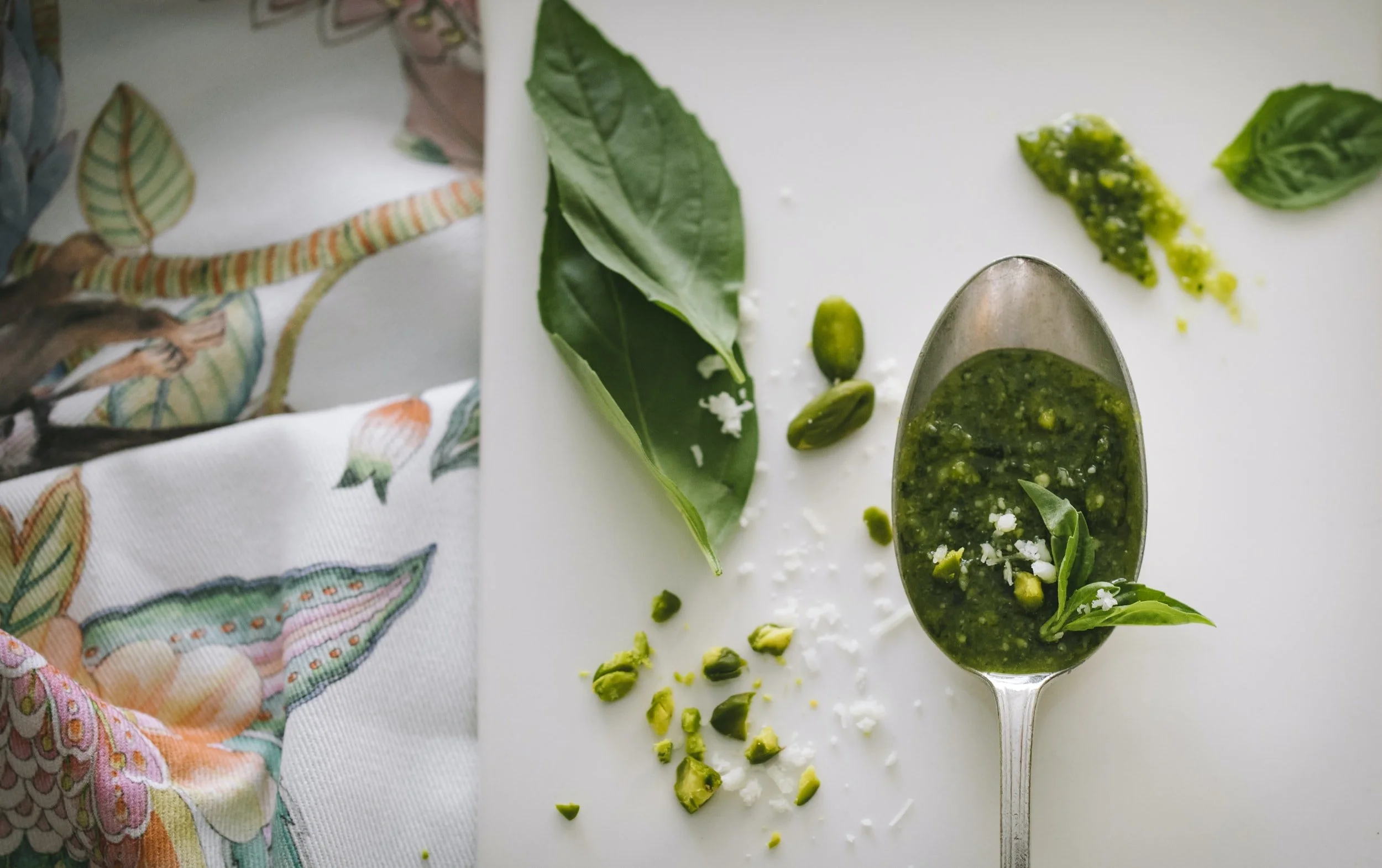
Inspired to make a vegan pesto alternative (traditional pesto contains parmesan cheese), I started exploring what other herbs and nuts could accompany the usual basil, garlic, pine nuts, and olive oil. I realized that I could play around and create a lot of variations on this nutrient-dense sauce! My first "spin" on the recipe was a cilantro/dill vegan variation that was just the ticket for Jim and me.
Herbs
Leafy herbs like basil, cilantro, parsley, dandelion, mustard garlic, dill, and mint are all highly nutritious. They contain a variety of vitamins and minerals that are vital for our health. We often use them as a garnish, just for taste. But if we condense them and consume large quantities—like in pesto—we gain full access to their nutritional benefits.
Nuts
Pine nuts are lovely but very expensive. We shouldn’t let this keep us from making pesto. Sunflower seeds, pumpkin seeds, walnuts, and almonds also include vitamins and minerals that keep our bodies healthy.
Olive Oil
Of course, not much can take the place of extra virgin olive oil. I view my organic extra virgin olive oil as medicine. It contains healthy fat, which is a great source of antioxidants, as well as oleuropein, which helps fight bad cholesterol and heart disease. Olive oil is also a good source of vitamins E and K. I like organic because it contains fewer chemicals, and organic farming is often better for the health of the people processing the olives.
Garlic
Garlic is also a superfood. It is prebiotic and anti-inflammatory. I have a hard time digesting it raw, so I usually use very little or leave it out. I haven’t tried using roasted garlic yet, but I think that might be good too.
Cheese or Vegan Substitute
If cheese works for your digestive system, go ahead and add that parmesan. A vegan alternative is a vegan parmesan cheese, although I haven’t found one that I like. So I replace the cheese with lemon and salt.
Putting It Together
I am one of those cooks that doesn’t measure. To make pesto, I just pack my food processor with leaves, put in some oil, and then hit the button. Then I add a handful of seeds, pressed garlic, a few squeezes of lemon, and a pinch or two of salt and process it some more. Adjust the lemon and the salt to taste.
Using Pesto
I serve pesto on bread or crackers, or mix it with beans and cut veggies for a salad. I just eat it by the spoonful too, as a snack.
If you want more information on a healthy lifestyle let’s set up a time to talk. I offer 30-minute free consultations. Sign up HERE

Mini Post: The Spirituality and Science of Meditation
For all of us that have incorporated meditation into our daily routine, we know it makes us feel better. It's made people feel better for thousands of years. Spiritual teachers have taught the importance of meditation in every religion.
Krisha, in the Bhagavad Gita, teaches us, “When meditation is mastered, the mind is unwavering like the flame of a candle in a windless place.”
In the beautiful book of Psalms, we are instructed at 4:4: Tremble, and do not sin; meditate in your heart upon your bed, and be still.
ʻAbdu'l-Bahá, one of the founders of the Baha'i Faith, gave us this inspiration:
..while you meditate you are speaking with your own spirit. In that state of mind you put certain questions to your spirit and the spirit answers: the light breaks forth and the reality is revealed. Meditation is the key for opening the doors of mysteries. In that state man abstracts himself: in that state man withdraws himself from all outside objects; in that subjective mood he is immersed in the ocean of spiritual life and can unfold the secrets of things-in-themselves. To illustrate this, think of man as endowed with two kinds of sight; when the power of insight is being used the outward power of vision does not see.
Current scientific research backs up this timeless wisdom, and many neuroscientists recommend starting off the day with meditation. "Meditation alleviates stress and anxiety by reducing cortisol and epinephrine, which help to regulate blood pressure, heart rate, and breathing patterns," says Kristen Willeumier, PhD and neuroscientist. Her research has shown that meditation creates whole-brain synchronization to enhance creativity, learning, focus, and attention.
Since the early 2000s, advancements in neuroimaging have enhanced how we look at the brain. Recent studies done on the effects of meditation have come from outside the field of yoga, and have “re-proved” what the ancient reshis (wise yogis) concluded from research on themselves. Here are some samples from this research, which you may find interesting:
It has been shown that meditation changes our brain waves from BETA, a waveform associated with arousal during waking hours, to waveforms found during various states of relaxation. Meditation may change our brain wave patterns to ALPHA (found during states of both light meditation and dreaming), THETA (common to medium meditation and regular sleep) or, in deep states of meditation and sleep, DELTA.
Mindfulness-Based Stress Reduction, a secular meditation technique developed by Dr. Jon Kabat-Zinn, has been shown to increase the number of brain cells in the areas involved with learning, memory, executive decision-making, and flexibility of perspective. His work has also proven that meditation can decrease brain cells in the amygdala (which are known to increase with stress).
Dr. Dan Siegel, a Clinical Professor of Psychiatry at the UCLA School of Medicine, found that focusing on breathing for 10 minutes a day improved prefrontal cortex functioning and reduced bullying in school-age children.
Dr. Sara Lazar, a neuroscientist working at Massachusetts General Hospital and the Harvard Medical School, has published research showing that meditating 40 minutes a day increases the grey matter in the hippocampus, which usually has less grey matter in people who are depressed or have PTS. The hippocampus is an area crucial for learning, memory, and aggression regulation.
Are you ready to meditate but don’t know how to start? Contact Me!

Mini-Post: Reviews of my Crone
I was so happy with the response to my January 12th, 2022 article in Elephant Journal Why I will Never call myself a Crone. Within 48 hours it had over 1000 reads.
Here are some of the comments. Many of the commenters were anonymous. I included their names when I could.
Great read, Nancy! Thank you for helping redefine what it means to be a mature woman and what an important contribution women make to the world, well beyond the life-giving role we most often think of. As a gynecologist, I know my patients will appreciate this article! - Shaghayegh DeNoble, MD.
Words are so important – we are called girls long after we are women and then are moved quickly to the more derogatory terms society have created. Thank you for your refreshing outlook, Nancy!
Badass reflection, wise one! I’m not at that stage of life yet, but you have me rethinking my options for the archetype of that time. Excellent read, Nancy!
I especially appreciated reading the etymology of “crone” – very interesting! No woman would ever agree to those descriptions. A very empowering article – thank you, Nancy!
I love this post Nancy, so well articulated, and your enthusiasm about this wonderful stage of our life. I do claim the word crone, though, as a practicing witch and fellow woman of the woods, a healer, a strong matriarch. I take it back from patriarchy, and straighten my crown. We don’t need to identify with their meaning of it, and their view of aging, or what these archetypes offer to the world. Old is good. Wrinkled is good. Dying… at the edge of life, good. I value the crone so much. - Monkia Carless
This is a fist in the air hell yes! Great read—thank you, Nancy! - Cat Monkman, Editor at Elephant Journal
Nancy, this is great, and thank you! I am already in that elder, wise, stage, and I have more wisdom, and inner strength now. Thank you again for writing this. - Janice Dolk
Nancy, Thank you for this encouraging article! As a woman in the “second half” of life, I can speak to the challenge of embracing a positive image of aging. Your article points out the misogyny in these terms and reminds us to reject harmful external labels… to define ourselves on our own terms! - Jill
Thank you Nancy for your affirmation of the second half of life for women – beautiful article – look forward to more on this topic. For me, the second half is a time to treasure – full of time and opportunity for self-enrichment and selfless giving. Doing what I love and loving what I do with those I love and who love me. - Helen Hawari
Hi Nancy, great article – you hit my feelings on the spot! Entering retirement soon I have been struggling with what comes after my creative professional life and I became concerned with my future health aatricend happiness. I had horrible visions of becoming what you describe as a “crone”! Reading your article empowers me to embrace my next stage in life and to enter it with the mindset of finding my new purpose and living it with love and lively vigor. Thank you, Nancy – your article was what I needed to hear!
Whew Lawd, this was amazing! I just hit 41 and my friends and I are starting to discuss the changes in our bodies more frequently these days. We also want to know why our elders didn’t tell us about these things! I aspire to be a woman that inspires and will definitely be sharing what I’ve learned along the way freely! This was beautifully and articulately written, thank you for sharing!!! Patrice
Great article Nancy we agree that every age period a person is valuable in society.
Thank you so much for this. I will carefully be pondering the word that I’d like to describe me in my second half of life, and I love your examples. It definitely isn’t crone. Yikes!! ❤️ - Jenny
I appreciate a thought-provoking article like this. In libraries we have what we call “sacred cows”, things we have always done or said and we continue to do without thought or evaluation. Taking a step back and exploring our sacred cows can be enlightening and healthy. Thank you for shedding light on this topic. From one beautiful goddess to another! - Mindy Kittay
I always hated the word “crone” but couldn’t articulate why. “Dead flesh” struck me. In her older age, my mom complained of being a person non-grata. I refuse to comply with that. I have plenty to do and to say. My previous decades have prepared me for this time in life to shine, and I don’t need anyone’s permission.
Loved your kickass article. I consider myself a wise elder and look forward to sharing my hard-earned wisdom with anyone of any age
I especially appreciated reading the etymology of “crone” – very interesting! No woman would ever agree to those descriptions. A very empowering article – thank you, Nancy!
Yes! Matriarch. Leader. I’ll even take hip older female! Thank you for this wow of an article, leading us as women away from an identity not of our choosing, that turns out our Light instead of offering more fuel – and toward that place of value that we do, truly, inhabit in this new life phase.
Bravo Nancy. I agree we need to acknowledge status as wise elders, sages, and healers as we appreciate the gifts of aging.
Nancy, it’s beautiful. You are a Sage!
Great article. We become who we believe we are, especially if we’re fortunate enough to have our health. Calling ourselves unattractive words diminishes who we are as women. Without women, there would be no future. Our femininity and strength should be celebrated. And, as Nancy says in her article, we need to keep repeating positive things to ourselves and about ourselves. The repetition really works.
If you are ready for support in the second half of life, let’s talk. Please take advantage of my free 1/2 hour consultation.

Mini Post: Sweet Potato Fries
Let's talk about sweet potato/yam fries - one of the sweet nutritious gifts from nature. They are fast to cook, nutritious and fun. I love fries in general, and all root vegetables make great fries - try parsnip, rutabaga, carrot, and turnip.
They are easy to cut up with a large sharp knife and a wooden cutting board (better traction), and quick to bake.
How to make sweet potato fries:
Cut them in thin strips with the skins on - I like them really thin.
Rub them with oil - I like organic olive oil.
Sprinkle salt and other spices of your choice: pepper, rosemary, oregano, thyme.
Cook at 400 degrees until the outside is crisp and the inside soft.
Serve with your favorite dipping sauce.
Nutritional facts about sweet potatoes:
Though yams and sweet potatoes are all in the same family, yams have more micronutrients.
Purple sweet potatoes have antioxidants similar to other purple foods like red grapes and blueberries - antioxidants that help to guard against cardiovascular disease and cancer.
Sweet potatoes are part of the diet of many cultures that are known for their longevity.
The peel contains almost ten times more antioxidant power than the flesh.
Sweet potatoes of all varieties are high in vitamin A, vitamin C, and manganese. They are also a good source of copper, dietary fiber, vitamin B6, potassium, and iron.
Sweet potatoes are known to improve blood sugar regulation, and some studies have discovered significant antibacterial and antifungal properties.
If you want more information on a healthy lifestyle let’s set up a time to talk. I offer 30-minute free consultations. Sign up HERE
Sources:
https://nutritionfacts.org/topics/sweet-potatoes/
https://www.downtoearth.org/health/nutrition/okinawan-sweet-potato-purple-powerhouse-nutrition
Mini Post: Believe in Yourself at Any Age
I sat back, quietly observing my friends on a Zoom meeting make fun of their bodies and thought processes now that they're older. I don’t engage in these conversations anymore. I also don’t want to be a know-it-all, but I am super opinionated about how our society views aging.
Each of us is like an artist with a blank canvas, a musician in her studio, a choreographer on an empty stage.
We are inundated with messages from the media, the medical system, and maybe even our community, that being older is a problem to be managed. We also might give ourselves messages about the mistakes that we made, or the way that people treated us indicating that we are broken. Between the messages from society and the messages that we give ourselves, we could easily feel stuck in unhappiness and decline as we get older. Whether we are conscious of it or not, these messages about getting older haunt our waking hours and dreams. I want to let you know that we are getting better as we get older.
In the present moment, we are fresh, our baggage is left behind.
Our wisdom is fully intact. We crave to connect deeply with our family and community. Whether we are walking on the beach or maneuvering a problematic situation, we are poised to create in the moment.
I believe in us. We are powerful when we are in the present moment.
If the present moment seems elusive, let’s talk. There can be so many reasons it eludes you, and some very easy tweaks to help you enter into it.

Mini Post: The Case for Iceberg Lettuce
Sometimes, when we go on an anti-inflammatory or a plant-based nutritional plan, it can feel like denying ourselves. Yes, we need to take out some delicious things like sugars and processed flour. But really there is so much to add.
What we are adding in are the highest nutritional gifts from nature. And when you're piling the plants on your plate, please consider watery vegetables.
I know that I run dry in the winter. The forced-air heat blowing on me! It's so important, but it can make my throat and nose irritated - and I can start to feel sick if I don't stay hydrated. I'm on my way to Colorado next week, and I know from experience that it is doubly dry there. I need more than just bottles of water to stay healthy. I will be packing in the watery vegetables like:
lettuce
celery
bok choy
radishes
cucumbers
zucchini
watercress
tomatoes
bell peppers
These vegetables can be up to 90% water. Packed with water and fiber, at the very least. Just to be clear, I am not saying skip on your other vegetables, like your dark greens (herbs, kale, arugula, swiss chard, collard greens). The nutrients in them are a life force! I am saying add the watery vegetables in, too! None of us ever eat enough veggies. Watercress, lettuce, radishes, cucumbers, and tomatoes can be added to salads, wraps, or sandwiches. Bok choy, zucchini, watercress, tomatoes, bell and peppers can be added to soups, stir-fries, or stews.

Mushroom Stuffed Pumpkin
I am always craving mushrooms. They're a great thing to crave. One cup of plain white button mushroom contains 33% of the recommended daily value (DV) of Vitamin D, 16% DV of phosphorus, and small amounts of protein. In addition, edible wild mushrooms each have their own medicinal qualities.
So, to satisfy both my cravings, I make a mushroom stuffing. I love it any time of year. I baked some of it in a pumpkin, and some in a dish. The stuffing in the pumpkin was delicious and 100% worth the effort:
Mushroom Stuffing in a Pumpkin
Ingredients
5 slices of bread
One 8”-10” Pumpkin
2 tablespoons olive oil
2 tablespoons vegan butter
2 large leeks or scallions
1 large garlic clove, minced
1 pound mushrooms (tough stems removed and cut into 1-inch pieces)**
½ teaspoon salt
Freshly cracked black pepper to taste
2 tablespoons finely chopped fresh sage
1 tablespoon rosemary leaves, finely chopped
2 tablespoons thyme leaves, roughly chopped
¼ cup of Balsamic Vinegar
1/4 cup finely chopped fresh parsley
1 to 2 cups vegetable broth, or broth from the mushrooms
Instructions
Cut or break up the bread and put it in the oven at 150oF to dry out for ½ hour.
Cut the top off the pumpkin and scrape the seeds out of it.
Put some oil in it and swish it around to cover the insides.
Saute leeks or scallions and garlic in butter and oil until translucent.
Add mushrooms, herbs, and spices.
Cook until the mushrooms are soft.
Add the balsamic vinegar.
Add the dried bread.
Add the broth until all the ingredients are moist.
Pack the stuffing into the pumpkin and cook at 350oF until the pumpkin is soft, usually 40 minutes.
Scoop the stuffing out with some of the insides of the pumpkin, and serve as a side dish.
This meal is a great part of an anti-inflammatory diet!